


How to Maintain Your Tools for Long-Lasting Performance
Proper tool maintenance is essential for achieving consistent performance, improving safety, and extending the lifespan of your equipment. Whether used for professional construction work or everyday workshop tasks, well-maintained tools operate more efficiently and deliver better results over time.One of the most important maintenance practices is regular cleaning. Dust, debris, and moisture can gradually affect internal components and reduce operational efficiency. After every use, tools should be cleaned carefully using a dry cloth or soft brush to remove buildup from vents, moving parts, and surfaces. Keeping tools clean not only preserves their appearance but also prevents unnecessary wear and overheating.Storage conditions also play a major role in protecting equipment. Tools should always be stored in a dry, clean, and organized environment away from direct sunlight and excessive humidity. Proper storage helps prevent rust, corrosion, and accidental damage while ensuring tools remain ready for use whenever needed.Routine inspection is another critical aspect of maintenance. Cables, blades, moving components, and fasteners should be checked regularly for signs of wear or damage. Replacing worn-out accessories and tightening loose components can significantly improve safety and operational performance. Ignoring small maintenance issues often leads to larger mechanical problems and reduced efficiency over time.Lubrication is equally important for tools with moving mechanical parts. Applying suitable lubricants at recommended intervals helps reduce friction, improves smooth operation, and minimizes component wear. Proper lubrication ensures the tool continues to perform efficiently even during heavy-duty applications.Using tools correctly is just as important as maintaining them. Overloading equipment beyond its intended capacity can reduce lifespan and negatively impact performance. Following manufacturer guidelines, using compatible accessories, and operating tools under recommended conditions can greatly improve durability and reliability.Consistent maintenance not only protects your investment but also enhances productivity and work quality. Reliable tools help professionals complete projects more efficiently, reduce downtime, and maintain precision across every task. With proper care and regular servicing, high-quality tools can continue delivering exceptional performance for years.
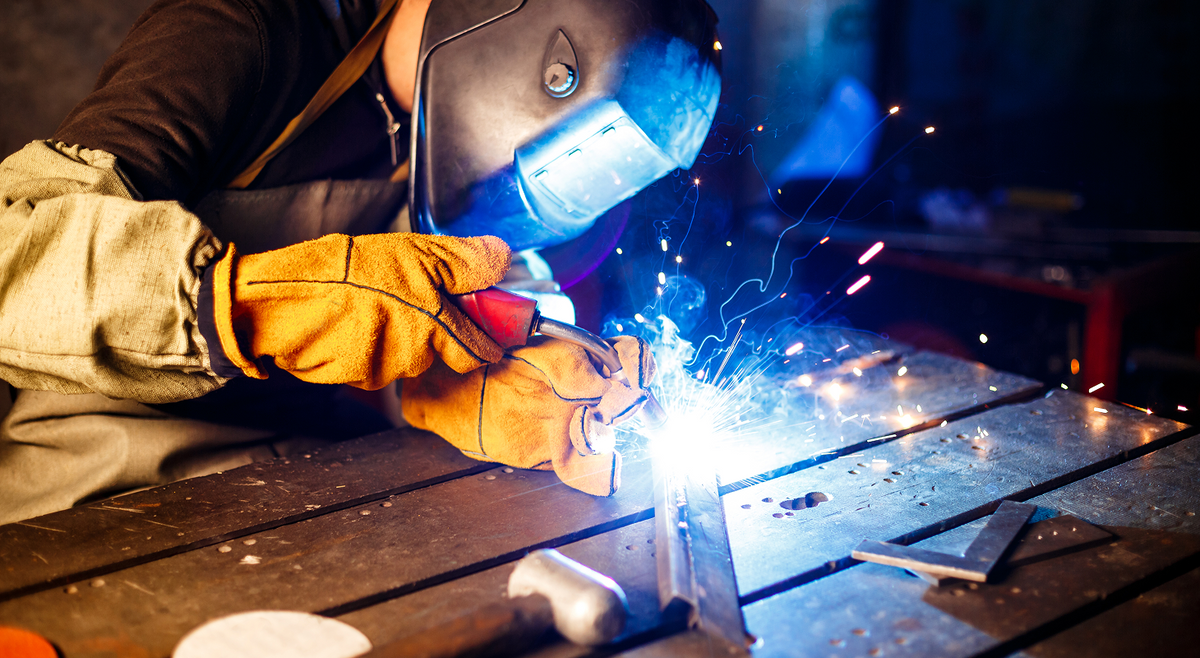
The Future of Power Tools: Performance, Precision & Productivity
In today’s fast-moving industrial and construction environment, power tools have become an essential part of modern workmanship. From professional construction sites to personal workshop projects, the demand for high-performance equipment continues to grow as users look for tools that combine durability, precision, and efficiency in every application.Modern power tools are no longer designed only for basic functionality. They are now engineered with advanced technology, ergonomic handling, and intelligent performance systems that help users complete tasks faster and with greater accuracy. Features such as variable speed control, brushless motors, heat-resistant components, and lightweight construction are transforming the way professionals approach demanding projects.One of the most important factors when selecting a power tool is reliability. Professionals require equipment that can withstand continuous operation under heavy workloads while maintaining consistent performance. High-quality materials, reinforced internal structures, and precision-engineered components play a major role in ensuring long-term durability and dependable results.Safety and comfort have also become key priorities in tool innovation. Ergonomic grip designs, low-vibration systems, and integrated protection technologies help reduce user fatigue while improving control and stability during operation. These advancements not only improve productivity but also create a safer and more efficient working environment.As industries continue to evolve, the future of power tools will focus even more on energy efficiency, smart technology integration, and enhanced mobility. Cordless solutions, rapid charging systems, and compact high-power designs are becoming increasingly popular among professionals seeking flexibility without compromising performance.Investing in high-quality tools is more than just purchasing equipment it is an investment in productivity, precision, and long-term performance. Whether for industrial applications, professional construction, or creative DIY projects, modern power tools continue to redefine efficiency and innovation across every industry.

Cordless vs Corded Tools: Which One Should You Choose?
Both cordless and corded tools offer unique advantages. This guide helps you decideProper tool maintenance is essential for achieving consistent performance, improving safety, and extending the lifespan of your equipment. Whether used for professional construction work or everyday workshop tasks, well-maintained tools operate more efficiently and deliver better results over time.One of the most important maintenance practices is regular cleaning. Dust, debris, and moisture can gradually affect internal components and reduce operational efficiency. After every use, tools should be cleaned carefully using a dry cloth or soft brush to remove buildup from vents, moving parts, and surfaces. Keeping tools clean not only preserves their appearance but also prevents unnecessary wear and overheating.Storage conditions also play a major role in protecting equipment. Tools should always be stored in a dry, clean, and organized environment away from direct sunlight and excessive humidity. Proper storage helps prevent rust, corrosion, and accidental damage while ensuring tools remain ready for use whenever needed.Routine inspection is another critical aspect of maintenance. Cables, blades, moving components, and fasteners should be checked regularly for signs of wear or damage. Replacing worn-out accessories and tightening loose components can significantly improve safety and operational performance. Ignoring small maintenance issues often leads to larger mechanical problems and reduced efficiency over time.Lubrication is equally important for tools with moving mechanical parts. Applying suitable lubricants at recommended intervals helps reduce friction, improves smooth operation, and minimizes component wear. Proper lubrication ensures the tool continues to perform efficiently even during heavy-duty applications.Using tools correctly is just as important as maintaining them. Overloading equipment beyond its intended capacity can reduce lifespan and negatively impact performance. Following manufacturer guidelines, using compatible accessories, and operating tools under recommended conditions can greatly improve durability and reliability.Consistent maintenance not only protects your investment but also enhances productivity and work quality. Reliable tools help professionals complete projects more efficiently, reduce downtime, and maintain precision across every task. With proper care and regular servicing, high-quality tools can continue delivering exceptional performance for years.
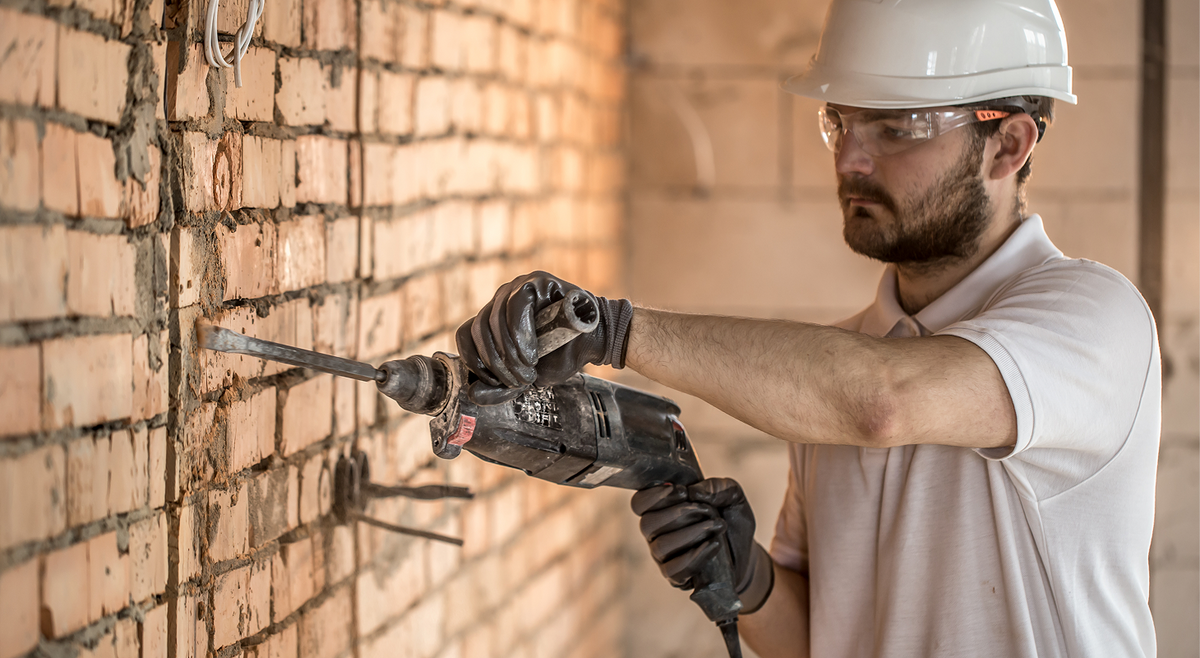
Choosing the Right Power Tool for Your Project
In today’s fast-moving industrial and construction environment, power tools have become an essential part of modern workmanship. From professional construction sites to personal workshop projects, the demand for high-performance equipment continues to grow as users look for tools that combine durability, precision, and efficiency in every application.Modern power tools are no longer designed only for basic functionality. They are now engineered with advanced technology, ergonomic handling, and intelligent performance systems that help users complete tasks faster and with greater accuracy. Features such as variable speed control, brushless motors, heat-resistant components, and lightweight construction are transforming the way professionals approach demanding projects.One of the most important factors when selecting a power tool is reliability. Professionals require equipment that can withstand continuous operation under heavy workloads while maintaining consistent performance. High-quality materials, reinforced internal structures, and precision-engineered components play a major role in ensuring long-term durability and dependable results.Safety and comfort have also become key priorities in tool innovation. Ergonomic grip designs, low-vibration systems, and integrated protection technologies help reduce user fatigue while improving control and stability during operation. These advancements not only improve productivity but also create a safer and more efficient working environment.As industries continue to evolve, the future of power tools will focus even more on energy efficiency, smart technology integration, and enhanced mobility. Cordless solutions, rapid charging systems, and compact high-power designs are becoming increasingly popular among professionals seeking flexibility without compromising performance.Investing in high-quality tools is more than just purchasing equipment it is an investment in productivity, precision, and long-term performance. Whether for industrial applications, professional construction, or creative DIY projects, modern power tools continue to redefine efficiency and innovation across every industry.